
Karl Marx and Friedrich Engels published The Communist Manifesto in 1848. The two city dwellers were appalled by the working conditions in factories and decided to fix them with an entirely new political and economic system they coined Communism. Their ideology would go on to become one of the most consequential schools of thought in the modern era, just not where they hoped it would. The ills of industrial capitalism they set out to fix in the West would be smoothed over in other ways than with communism. What Marx and Engels had underestimated was that, as inhumane as working conditions were in mid 19th century factories, they were worse in the fields where the common day labourer worked for the landowning aristocracy. The pay was lower in the countryside and the availability of work was weather dependent. Working in factories in the city offered a remedy for both, even if it was only a marginally better alternative.
Ironically, the Industrial Revolution would actually aid in alleviating class struggle as a result, doing so by devaluing the European aristocracy’s most valuable possession: land. That process brought with it a slow but potent transition of power from the kings and noblemen to the industrialists. This latter class could not claim divine providence or a longstanding hereditary line filled with national service. As the common man soon found out, the industrialists were much easier to pressure into considering his point of view. This set off a bumpy emancipation process that would result in more workers’ rights, with key legislative wins along the way. It would ultimately reach a pivotal acceleration during and right after WWI, a war in which the European monarchs and aristocracy followed their hubris into a pointless and gruesome conflict that politically indebted them to the common man, who had paid a very high price to enable their folly. The aftermath of WWI brought about a wave of political reform in favor of the common man. Multiple European countries introduced general voting rights for men, and suffrage followed with voting rights for women.

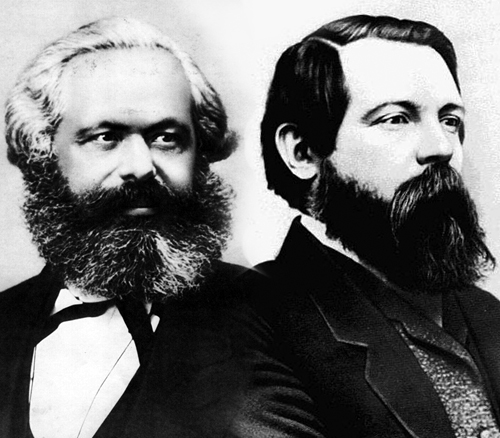
It would probably have been to Marx and Engels’ surprise that ultimately two revolutionary men from agrarian empires would pick Communism as the uniting ideology for their revolutions. The appeal Lenin and Mao found in The Communist Manifesto was not that it could help factory workers in Russia or China. There weren’t that many to begin with. What clicked for them was historical class struggle. China and Russia were run as imperial aristocracies, ones that had mostly missed the Industrial Revolution and were feeling the pressure from the European powers eager to exploit that lack of industrialisation to their advantage. Lenin would masterfully ride the coattails of WWI and take the Germans up on an offer to take a blinded train from Switzerland, where he was living in exile, to Russia. In exchange, he withdrew Russia from the war when his revolution succeeded and he came to power. Mao’s opportunity would come when WWII arrived in China.
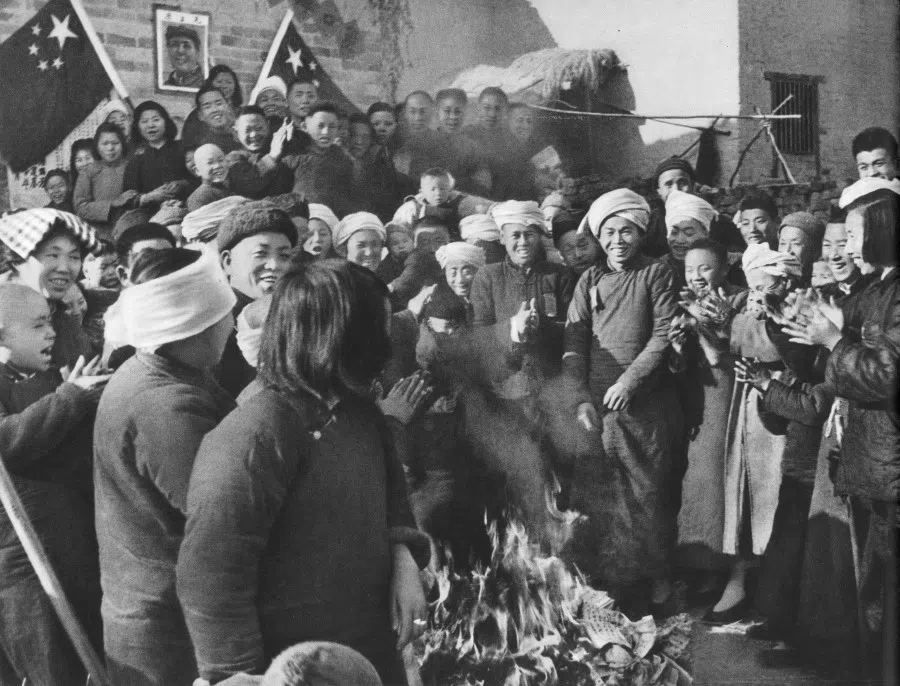
Just like Lenin, Mao understood the power of leveraging a war that wasn’t his. Mao had fought Chiang Kai-shek and his Nationalists of the KMT off and on since 1927. When Japan brought WWII to China, Mao and Chiang united, but the alliance was brittle. Mao left the heaviest fighting to the KMT. After WWII, the KMT was weakened while Mao and his CCP were emboldened. In the postwar era, Mao used communist policies such as land redistribution to solidify his base. Slowly but surely, the CCP gained the upper hand and managed to push back the demoralised Nationalists of the KMT, ultimately forcing Chiang Kai-shek to retreat to Taiwan and proclaiming the People’s Republic of China in 1949.n 1950, after the establishment of the People's Republic of China, a nationwide land reform was implemented, confiscating land and property from landlords and distributing them to peasants. The photo shows poor peasants burning rent receipts. Source: thinkchina.sg

The China of the 1950s, however, wasn’t that different from the China of the last Qing emperor. Most Chinese didn’t know who Karl Marx was, let alone understand what his intention had been with Communism. Mao was chairman and China had a communist flag, but it was still very much a Confucian state with a very long historical tradition of doing things a certain way. To Mao, the regression to the old imperial bureaucratic ways was a major source of frustration, given his desire to reshape China in his image.
The first unorthodox step towards bypassing the bureaucracy was the “Let a Hundred Flowers Bloom” campaign. In 1957, Mao encouraged different factions of civil society to challenge the Communist Party. The response was far too overwhelming to let continue, let alone do something with practically. Once people began to speak openly, criticism moved beyond minor complaints. Critics attacked bureaucracy, party privilege, censorship, corruption, dogmatism, and the suffocating atmosphere of political conformity. Some compared the party’s behavior to that of a new ruling class. For Mao, this was useful and intolerable at the same time.
It was useful because it flushed dissent into the open. People who had previously remained ambiguous now identified themselves. They spoke out and offered critique. It was intolerable because the criticism challenged the moral authority of the Communist Party itself. Mao had invited criticism in the name of socialist improvement, but many critics treated the invitation as a chance to describe the party’s deeper authoritarian reality.
Then came the reversal. The Anti-Rightist Campaign followed in 1957. Many of those who had spoken were labeled rightists. Careers were destroyed. Some were sent to labor camps. Others were silenced, humiliated, or politically ruined. The lesson was unmistakable: speech could be permitted, but only if it remained within the bounds Mao found useful. Widespread criticism as a tool to shake up the bureaucracy was simply too dangerous.
In 1958, Mao turned his attention to the economy in an attempt to shake up the bureaucracy not with ideas and criticism but with revolutionary economic planning. The chairman set highly unrealistic economic goals and encouraged the people to meet them with revolutionary vigor. The result was a system of fear and lies that wildly inflated achievements and resulted in a dystopian famine. Villagers inflated agricultural output, prompting officials to then claim the “surplus” production, leading some of the villagers to starve. The Hundred Flowers Campaign had shown the price of speaking the truth or delivering critique. Lies about economic output compounded into a widespread famine, ultimately forcing more pragmatic leaders such as Deng Xiaoping to take more of a lead and restore economic order. An estimated 30 to 45 million Chinese gave their lives for Mao’s revolutionary leap.

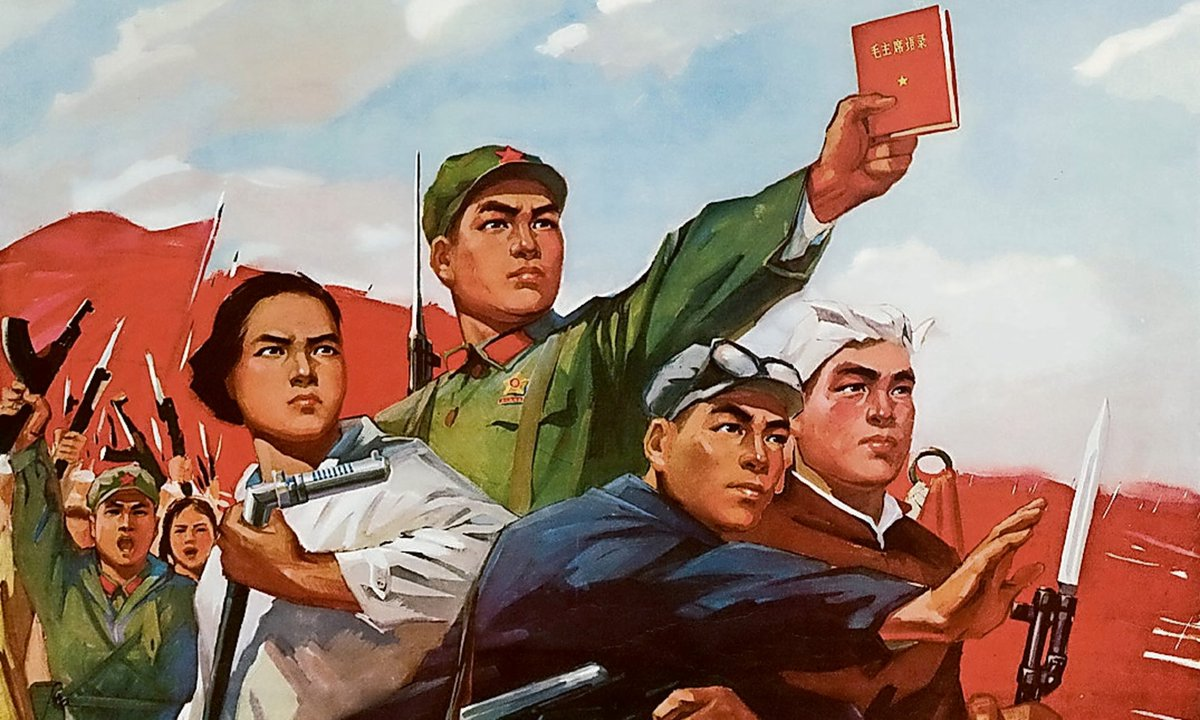
Dismayed by a return to the bureaucratic ways of old and the increasing influence of pragmatists such as Deng Xiaoping, Mao turned to what was the most audacious and dystopian use of organised mass chaos to achieve political goals in the modern era: the Cultural Revolution. Mao’s last great domestic stand is one that is often overlooked in the West because it doesn’t really have a precedent. It’s hard for Westerners to wrap their heads around it because it’s neither a revolution nor a civil war in the traditional sense. It’s Mao’s attempt to turn the masses against the ruling elite without triggering a revolt that would overthrow the Communist Party. Mao’s edict to the youth and anybody who felt revolutionary was to go out and purge anyone they suspected to be “bourgeois” in a purification attempt that would lead the nation back to true socialism.
One of the most infamous early directives was the attack on the Four Olds: old ideas, old culture, old customs, and old habits. The phrase sounds abstract, but its consequences were brutally concrete. Temples were smashed. Ancestral tablets were burned. Graves were desecrated. Libraries were ransacked. Paintings, calligraphy, porcelain, religious statues, old books, family records, and antiques were destroyed because they were seen as carriers of feudal or bourgeois consciousness.
This was not merely vandalism by a few mobs. It was a mass assault on cultural memory. In a civilization as old as China’s, where lineage, ritual, and classical inheritance had long been central to identity, the attack on the Four Olds was an attack on continuity itself. A family scroll was not just decoration. A genealogy was not just a record. A temple was not just a building. These were vessels of time. The Cultural Revolution taught people to denounce their roots. The result was a mass destruction of cultural heritage that doesn’t have a precedent since the burning of the Library of Alexandria.
Then there was the violence against people accused of being “bourgeois.” The Cultural Revolution produced a theater of humiliation that became one of its signature forms. Victims were dragged into struggle sessions, forced to wear dunce caps or placards listing their alleged crimes, made to bow in painful positions, beaten, spat upon, and denounced by crowds. Teachers were humiliated by students. Officials were paraded through streets. Writers, scholars, and artists were forced to confess ideological sins. The point was not just punishment. It was the destruction of dignity in public. China’s current president, Xi Jinping, has vivid memories of the Cultural Revolution. His father was one of the high ranking officials who was persecuted, and the young Xi was forced to live in the countryside and abide by rural life. Something he did begrudgingly. An estimated 1.6 million Chinese died as a result of the Cultural Revolution.Chinese red guards during the cultural revolution in 1966. Photograph: Universal History Archive/UIG via Getty Images

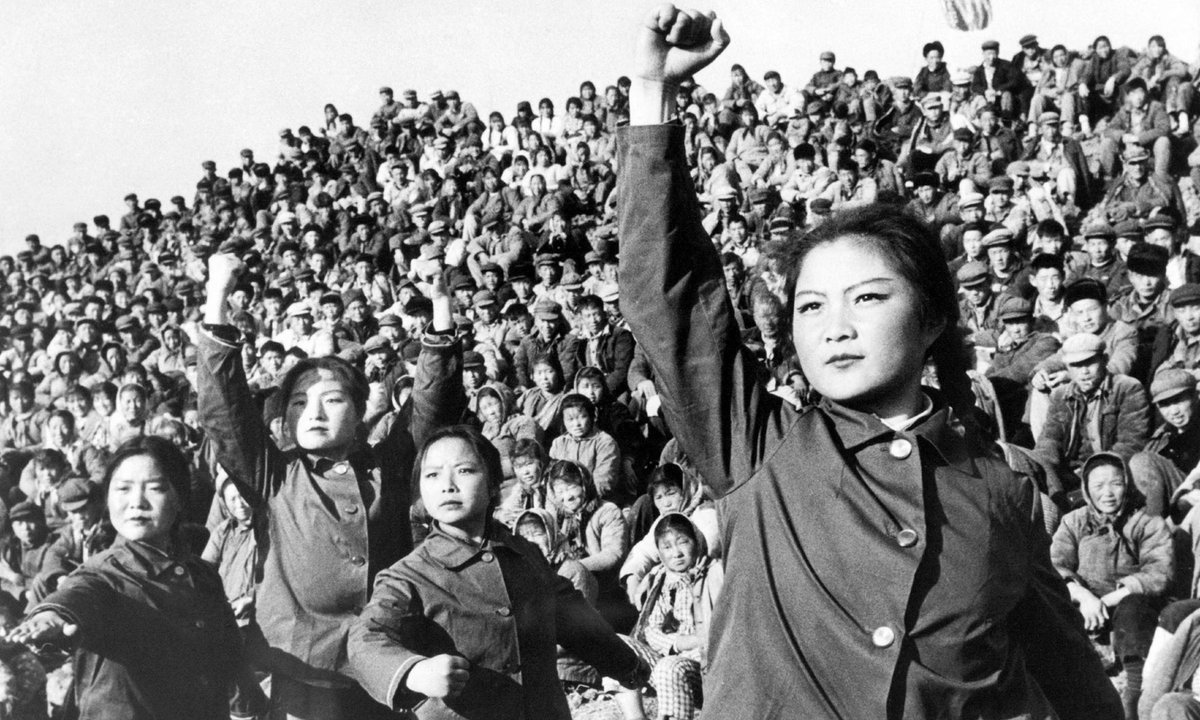
The Cultural Revolution would last for a decade, and it would prove to be a potent tool for Mao to keep the pragmatists at bay. Thanks to what was the most egregious normalisation of mass chaos, Mao gained near mythical status. Any normal citizen would see the mobs humiliating someone they deemed “bourgeois” or desecrating temples and consider Mao a pseudo-deity for his ability to both encourage this and let it go on for so long. The Cultural Revolution would leave a lasting mark on China. The degree to which it inspires (Maoist) Socialists to this day, however, to manufacture social chaos to further their cause is relatively obtuse. So let’s fast forward to our era to see the continuing influence of Mao’s last stand in the West.

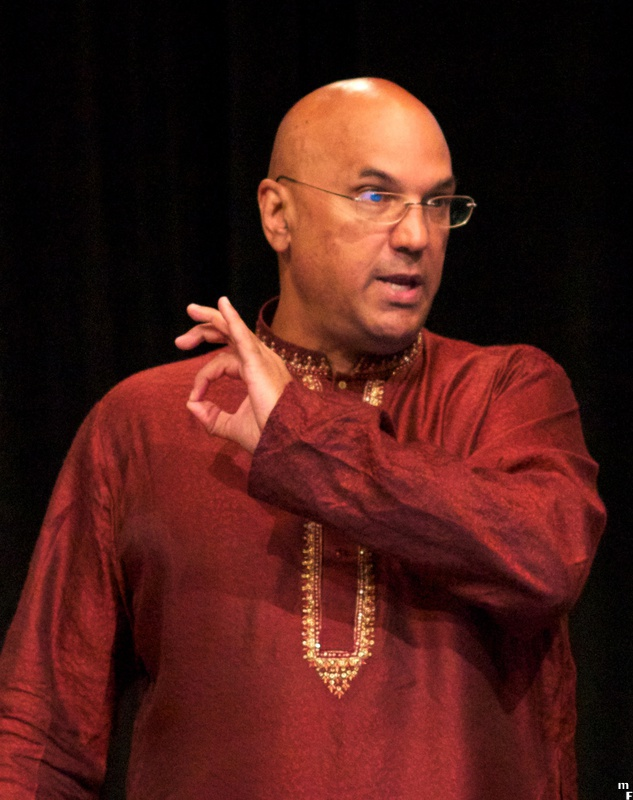
The most underestimated modern day Maoist Socialist from the West is Neville Roy Singham. This billionaire, who lives in China, runs a web of NGOs whose ultimate goal is to further Socialism in America through the methods of the Cultural Revolution. His first major success has been the mass pro-Palestine protests that engulfed the US after Israel’s response to October 7th. Neville’s NGOs, which have perfected paid protesting, sparked the flame and were helped by what was then Chinese owned TikTok. The aftermath of these protests has been the effective capture of the ideological base of the Democratic Party by the Democratic Socialists of America (DSA). More and more Democratic politicians fear the wrath of this new and very active base during their primaries.
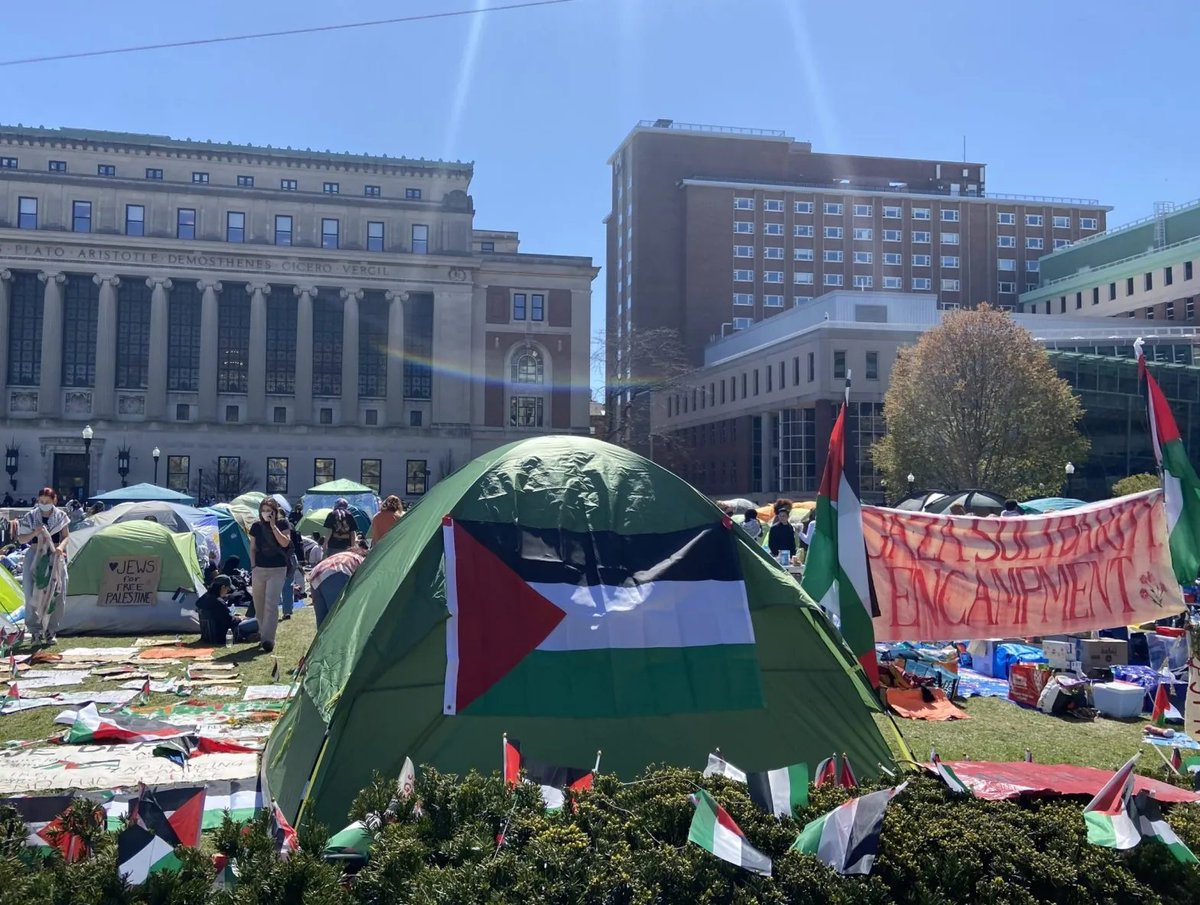
Singham’s most recent success has been the aftermath of the Minnesota protests. Two paid protesters, linked to his NGOs, purposefully sought violent exchanges with law enforcement and died tragically. The aftermath was the political tension in DC around DHS funding issues and the shutdown causing chaos at airports. Singham is an astute student of Mao and the Cultural Revolution. He intuitively understands the potential of engineered social chaos as a way to further his political objectives. He knows that what is often needed in the mass media age is one or two newsworthy incidents to spark a wave. One university protest encampment in New York can light up other campuses across the US. Currently, his efforts are focused on a new wave of increasingly violent pro-Hamas protests in New York. His hope is the same as always: one or two newsworthy incidents that spark another wave of chaos and undermine trust in our institutions and our way of life. The next step is a wave of outrage, fanned on by teh progressive media that then radicalises more people with leftist sympathies and encourages them to join his cause, with the ultimate goal of achieving what Lenin and Mao pulled off. This might sound like a far fetched assertion, but you only need to look at what’s happening in the Democratic Party to realise that there are multiple roads to Rome or, as Singham would probably prefer: Singhamgrad.

Another set of students of the Cultural Revolution are the socialist mayors in America. Their weapon of choice is the softening of city law enforcement standards that floods city centres with drug zombies and crime. Despite the resulting urban dystopias, these policies are never reversed. Not because they’re not working in general, but because they are specifically working to further the socialist cause. Socialists don’t like the hallmarks of capitalism in the form of upscale cafés, restaurants, and national chain stores creating vibrant city centres. They specifically want to bully the entrepreneurs into leaving. These are often the people who could either run against them or are savvy enough to back talented alternatives to these Socialist mayors. Furthermore, these urban dystopias undermine trust in our institutions, and that’s what Socialists want.

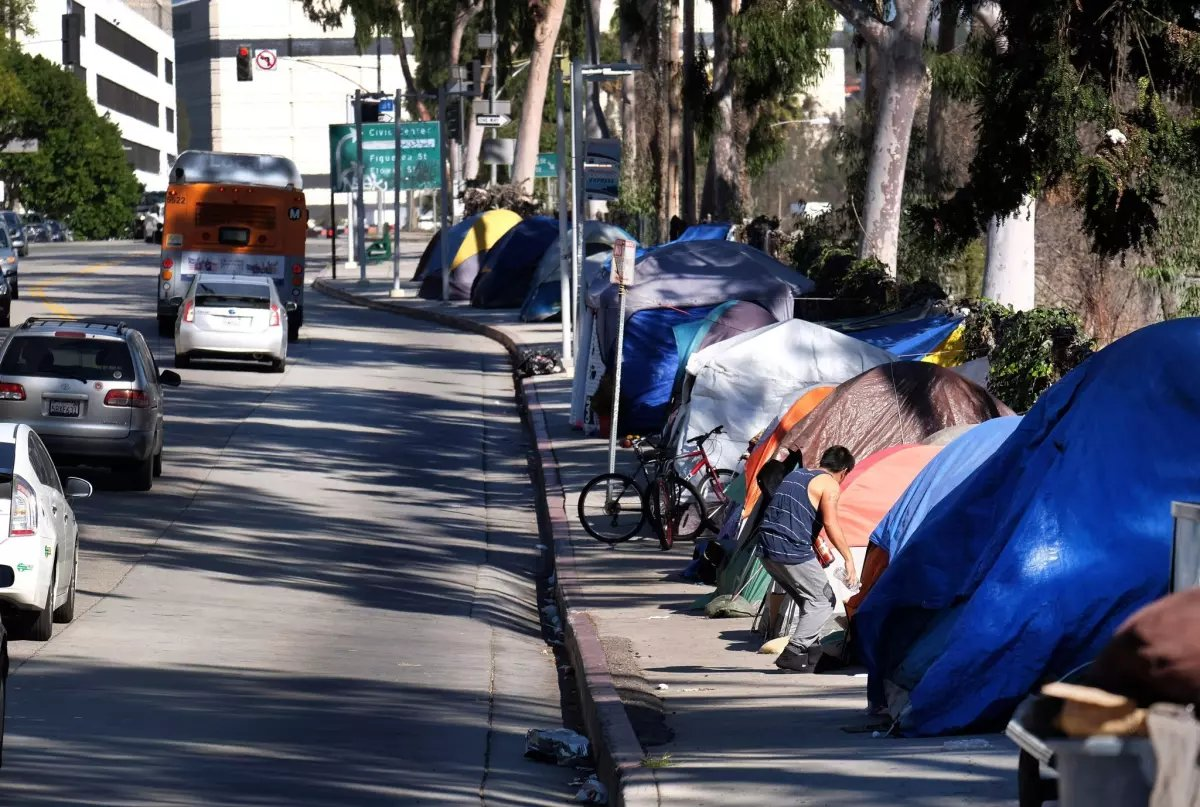
Very few people concretely blame Socialism or the DSA for what is happening in LA or Seattle. They blame the city or Town Hall or the mayor. When they assign blame, they call out the institution, not the ideology that is directing the institution. Once these urban dystopias are normalised, Socialist mayors can frame them as institutional problems. It’s not that it’s failed policy on their end, it’s the tax base that doesn’t offer enough resources to properly deal with the issue. The chaos becomes a stepping stone to obtain their other political objectives. Another tool in the toolkit of Socialists that is a remnant of the Cultural Revolution is the specific calling out of certain influential individuals. It’s what Mamdani did recently by standing in front of Ken Griffin’s penthouse. This is less about its actual location and more about Mamdani using Maoist bully tactics to elevate his infamy. It’s what Mao did to Xi Jinping’s father during the Cultural Revolution. The flipside of this is the fierce backing of effective chaos agents such as Mahmoud Khalil, going as far as calling a man who lies on his immigration application a New Yorker. When you put all this together, what emerges is a clearer view of how American Socialists deploy the tactics of the Cultural Revolution to further their cause. To understand Mao and his last stand is to understand the perpetuation of chaos by the people, for the people, engineered by Socialists in the 21st century. It is to realise that it’s based on a tried and true recipe for societal shock therapy pioneered by China’s most infamous chairman.